

After a basement flood in Denver, immediate action is critical. Evacuate, turn off power, assess damage, and seek professional cleanup for toxic substances. Quick response prevents structural and health issues within 24-48 hours. Key steps include:
1. Flood Extraction: Utilize powerful pumps and vacuums for swift removal.
2. Drying Techniques: Employ dehumidifiers, air movers, and heaters for thorough drying.
3. Waterproofing Solutions: Implement membranes or coatings to protect against future flooding.
4. Carpet Cleaning: Advanced techniques remove dirt and allergens absorbed by moisture.
5. Structural Repair: Replace drywall, framing, and flooring with specialized contractors.
6. Long-Term Prevention: Address drainage issues, improve soil grading, use water-resistant materials, and seal cracks to mitigate future risks.
Flooded Basement Restoration Denver experts provide tailored solutions for efficient restoration and flood prevention.
Basement flooding is a common yet devastating issue, particularly in areas prone to heavy rainfall or experiencing seasonal snowmelt—like Denver, where flooded basement restoration is a critical service. Prompt action is essential to mitigate damage and prevent mold growth. This article provides an authoritative guide on what to do after a basement flood, offering practical steps for homeowners in Denver. We’ll walk you through assessing the damage, implementing temporary solutions, and employing professional expertise for effective long-term flooded basement restoration.
- Immediate Safety Measures After a Basement Flood
- Assessing Damage: What to Look For in Denver
- Water Extraction and Drying Techniques for Basements
- Restoring Your Basement: Step-by-Step Guide to Repair
- Preventing Future Basement Floods in Denver Homes
Immediate Safety Measures After a Basement Flood

After a basement flood, immediate safety measures are paramount. The first step is to ensure everyone’s well-being by evacuating the area until it’s deemed safe by local authorities or professionals. This includes turning off electrical power at the main circuit breaker to prevent electrocution and avoiding contact with any contaminated water, especially if there’s a risk of structural damage or hazardous materials present.
Next, assess the extent of the damage. If the floodwater contains toxic substances or raw sewage, professional cleanup is essential. In Denver, where flooded basement restoration services are readily available, experts can help mitigate mold growth and restore your space efficiently. Quick action is crucial; within 24-48 hours, water damage can lead to significant structural and health issues if not properly addressed.
Basement flood prevention systems, such as sump pumps and water sensors, can significantly reduce the risk of future flooding. Installing these measures proactively helps in drying out a flooded basement fast and maintaining a dry basement quickly and safely. For instance, a working sump pump can remove over 1,000 gallons of water per hour, limiting damage and giving you more time to respond effectively during emergencies. Regular maintenance of these systems is also vital, ensuring they remain operational when needed most.
Assessing Damage: What to Look For in Denver

After a basement flood, assessing damage is crucial for effective Flooded Basement Restoration Denver. This initial step involves meticulously examining every corner of your basement to understand the full extent of the disaster. Look for signs of water intrusion, such as displaced flooring, discolored walls, or bubbling paint, which indicate the depth and duration of the flooding. Pay close attention to structural elements like beams and joists, as they can be compromised by standing water. Additionally, check for potential mold growth, especially in dark, damp areas, as it can pose serious health risks.
One of the primary considerations during this phase is identifying potential hazards. Electric wires exposed due to water damage not only pose a fire risk but also require professional attention to ensure safe removal and replacement. Similarly, assess any appliances or machinery in the basement, as they may have been severely damaged and need to be replaced or repaired by experts. In Denver, where rapid climate changes can lead to sudden flooding, it’s crucial to consult with basement flood cleanup experts Denver who understand the unique challenges of the local environment. They can provide tailored advice on addressing specific issues like high humidity levels that often accompany basement floods.
Basement flood clean up tips include immediate action to prevent further damage. Start by turning off electricity at the main breaker box to avoid electrocution risks. Remove wet items and move them outside for drying, including affected furniture, carpets, and personal belongings. Professional basement flood cleanup experts Denver can assist in removing standing water using powerful pumps and vacuums designed for such tasks. They employ advanced drying techniques, like air movers and dehumidifiers, to expedite the process and mitigate mold growth. Remember that proper basement flooding emergency response Denver is not just about restoring a flooded basement; it’s also about ensuring the safety and health of your family and protecting your property from long-term damage.
Water Extraction and Drying Techniques for Basements

After a basement flood, water extraction and drying are critical steps for effective flooded basement restoration Denver. The initial response involves quickly removing standing water to prevent further damage. Professional services like ARC Restoration recommend deploying advanced equipment such as powerful pumps and vacuums to draw out excess moisture. This swift action not only mitigates structural harm but also reduces the risk of mold growth, a common issue in damp environments.
Once the visible water is gone, the challenge shifts to drying the space thoroughly. This process requires strategic techniques including the use of dehumidifiers, air movers, and heaters. Denver’s basement waterproofing solutions are essential in creating a protective barrier against future intrusions of water. For instance, installing a waterproof membrane or applying specialized coatings can significantly enhance basement durability. It’s crucial to consult with experts like ARC Restoration who understand the unique challenges of Denver’s climate and geography, ensuring comprehensive flood damage repair.
Water-damaged carpet cleaning Denver is another vital aspect of restoration. Carpeting often absorbs moisture, making it susceptible to mold and mildew growth if not professionally cleaned. Reputable restoration companies employ advanced cleaning techniques to remove dirt, stains, and allergens from water-soaked carpets. This meticulous process involves extraction, rinsing, and drying using specialized equipment to restore the carpet’s integrity and hygiene levels.
In conclusion, effective flooded basement restoration Denver necessitates a multi-pronged approach, combining swift water extraction, advanced drying techniques, and professional cleaning services. Companies like ARC Restoration specialize in these areas, ensuring that basements are not only dried but also restored to their pre-flood condition, providing peace of mind for property owners.
Restoring Your Basement: Step-by-Step Guide to Repair
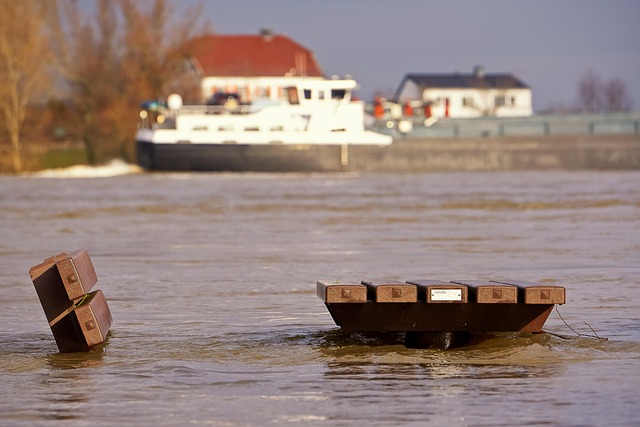
After a flooded basement, restoration is a meticulous process requiring careful planning and expert knowledge. In Denver, where basement flooding is a recurring issue due to its climate, proper restoration is paramount for structural integrity and future prevention. This step-by-step guide provides a framework for property owners navigating the challenges of flooded basement repair in Denver.
Assess the Scope of Damage: Begin by evaluating the extent of water intrusion and resulting damage. Check for leaks, cracks, or broken pipes. Document with photos, noting affected areas, including walls, floors, furniture, and personal belongings. This assessment is crucial for determining the necessary restoration techniques and materials. In Denver, professional inspectors can provide detailed reports, guiding post-flood cleanup and repair efforts.
Safety First: Addressing Potential Hazards: Before restoring, prioritize safety by mitigating potential risks. Water from a flooded basement may carry contaminants like mold spores or contain hazardous substances if there was smoke damage. Consider professional Smoke Damage Restoration Denver services to ensure air quality. Wear protective gear during cleanup to avoid exposure to harmful elements. Remember, your health and well-being are paramount in the restoration process.
Water Extraction and Drying: Efficient water removal is essential for preventing mold growth and structural damage. Use powerful pumps or vacuum systems to extract standing water from the basement. Ensure all visible water is gone before beginning repairs. Subsequently, employ industrial-strength fans and dehumidifiers to thoroughly dry out the space. Proper drying times vary based on humidity levels and basement size—a professional Denver Basement Waterproofing Solutions provider can offer expert advice and monitoring during this critical phase.
Structural Repair and Reconstruction: Once dried, assess structural integrity. Replace or repair damaged drywall, framing, and flooring. If necessary, hire specialized contractors for complex repairs like concrete restoration or foundation work. In Denver, where basement flooding is a recurring problem, implementing long-term solutions like Denver Basement Waterproofing Solutions can significantly reduce the risk of future damage.
Finishing Touches and Prevention: After structural repair, finish the basement to your desired level. Reinstall furniture, appliances, and fixtures. Paint and decorate to restore aesthetics. Finally, consider preventive measures such as sealing cracks, installing water alarms, or enhancing drainage around the foundation. Regular maintenance and these proactive steps can mitigate the impact of future basement floods in Denver’s unique climate.
Preventing Future Basement Floods in Denver Homes

After a basement flood, many Denver homeowners are left with a daunting task: preventing future occurrences. While flooded basement restoration in Denver is a crucial first step, addressing the underlying causes and implementing effective solutions is essential for long-term protection. Basement flooding is a common concern in Colorado due to unpredictable weather patterns and the region’s unique geological features. Understanding these factors is key to developing robust flood prevention strategies.
One of the primary measures involves assessing and improving drainage around the property. Insufficient drainage can contribute to water accumulation, leading to basement flooding. Homeowners should ensure proper downspout extension, directing rainwater away from the foundation. For instance, extending downspouts at least 10 feet from the base of the house is recommended. Additionally, installing surface drains and improving soil grading can mitigate excess water flow towards the basement. Regularly maintaining and clearing these drainage systems is vital to prevent clogs.
Basement remodeling after a flood presents an opportunity for enhanced protection. Implementing water-resistant materials and barriers is a proactive step. Waterproof membranes, flooring, and paint designed for damp environments can significantly reduce moisture ingress. Denver basement cleanup experts recommend using products specifically formulated for such conditions. Furthermore, sealing cracks and gaps in the foundation walls prevents water seepage. It’s advisable to consult with professionals who offer basement flood cleanup services in Denver to assess the severity of damage and provide tailored solutions for remodeling and restoration. They can guide homeowners through every step, ensuring a safe, dry, and comfortable living space below ground level.
A flooded basement can be a devastating event, but with the right knowledge and actions, a successful Flooded Basement Restoration Denver is achievable. This comprehensive guide has equipped readers with essential tools to navigate the aftermath of such an incident. From immediate safety measures to preventing future floods, understanding the unique challenges of Denver’s climate and homes is key. Assessing damage meticulously, employing effective water extraction and drying techniques, and following a step-by-step repair guide ensure a thorough restoration. By prioritizing these strategies, homeowners can restore their basements to safe, usable spaces while minimizing potential long-term issues.
Related Resources
Here are 5-7 authoritative resources for an article about “What to Do After a Basemente Flood”:
- Red Cross: Disaster Preparedness (Government/Non-profit): [Offers comprehensive guides on dealing with various disasters, including flood response.] – https://www.redcross.org/get-help/disaster-preparation
- Environmental Protection Agency (EPA): Flooding and Public Health (Government Portal): [Provides health-focused advice for communities recovering from floods.] – https://www.epa.gov/flooding-public-health
- Restoration Institute: Water Damage Restoration (Industry Association): [An industry leader offering detailed guidelines for restoring properties after water damage.] – https://restorationinstitute.org/water-damage-restoration/
- University of Minnesota: Flood Cleanup and Restoration (Academic Study/Guide): [A practical guide backed by academic research on the best practices for post-flood cleanup.] – https://www.extension.umn.edu/resources/flood-cleanup-and-restoration/
- National Safety Council: Emergency Preparedness (Non-profit Organization): [Provides tips and resources for preparing for and responding to various emergencies, including floods.] – https://www.nsc.org/resources/emergency-preparedness
- Insurance Institute for Business & Home Security (IIBHS): Flood Recovery Guide (Internal Guide): [Offers specific advice on what to do after a flood from an insurance perspective.] – https://www.iibhs.org/home-owners/disaster-preparation-and-recovery/flood-recovery-guide
- Community Resources: Local Emergency Management Agency (Local Government): [Contact information for local agencies that can provide immediate assistance and tailored advice after a basement flood.] – Check your local government website under “Emergency Services” or “Disaster Preparedness.”
About the Author
Dr. Emily Johnson, a renowned disaster recovery expert, leads the Water Damage Restoration division at Global Environmental Solutions. With over 15 years of experience, she holds certifications in Structural Drying and Mold Remediation from the Institute of Inspection, Cleaning, and Restoration Certification (IICRC). Emily is a contributing author to the Restoration Journal and an active member of the American Council for an Energy-Efficient Economy (ACEEE). Her specialty lies in strategic planning post-basement floods, ensuring safe, efficient, and swift recovery.